

What to wear canoeing is dictated by the weather, water temperature, and location. Following these tips will help you stay warm, comfortable and safe.
Thus, un-naked, thus unafraid, you can venture into the wilderness comfortably. You should, however, consider several factors when considering your wardrobe.
First, you have to look good.
No, just kidding. The ducks don’t care what you look like. So unless you’re modeling, dress for comfort and safety!
When deciding what to bring consider the water and air temperature and the characteristics of the water you will be paddling.
Packing Strategies
For a foolproof strategy to round up all your gear, check out this post here.
What to Wear around Camp
As a general rule, focus on building your outfit with layers. Several thinner layers instead of fewer thicker layers perform better for several reasons. First, the additional air pockets trapped between layers function as excellent insulation keeping you warmer. Second, they provide better flexibility for temperature maintenance. Too hot? Easy…strip a layer. Chilly? Add a layer. Third, multiple thin layers pack easier than single bulky layers.
Although I’m a natural sort of guy, I really like synthetic fibers in the woods. I really want to like wool and silk but silk is expensive and wool makes me itch. I have one alpaca wool hat I got in Chile that doesn’t make my head itch. Everything else does. And although wool keeps you warm even when wet, it’s heavy when wet.
Avoid cotton! You will be warmer naked than if you wear wet cotton..it provides negative insulation. I confess that I will occasionally bring one cotton t-shirt to wear on sunny days because my skin likes the feel of cotton, but I do not rely on it for warmth.
I wear layers of polypropylene, fleece, and Gortex. In April this year, my lovely bride and I took a four-day canoe trip. At put-in, we had to drag the canoe over the snow to the river. At many of the campsites, ice lined the shallow depressions. I stayed toasty warm, however, carrying my entire wardrobe in a small stuff sack.
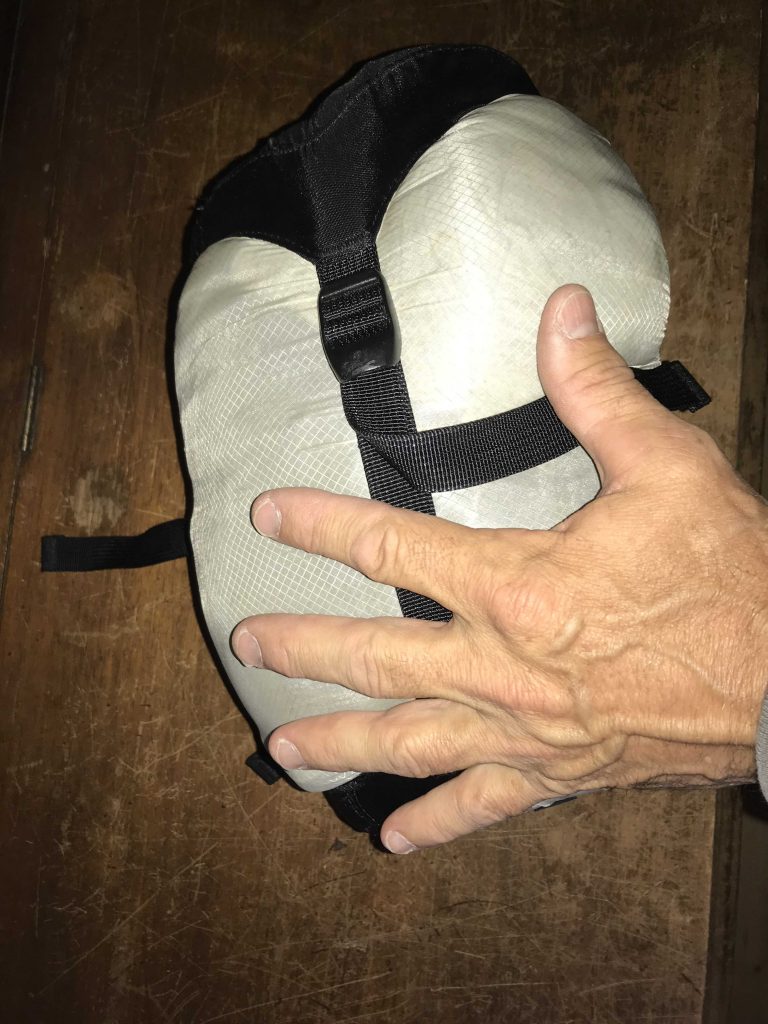
As a base layer, I had a short sleeve polypro shirt, then a long sleeve polypro shirt, then a long sleeve fleece and a Gortex shell jacket to repel wind and water.
On my lower half, I wore poly-pro longjohns and waterproof/windproof soft-shell fleece lined pants. (These are my favorite pants, ever!! I bought two pairs!) On my feet, I wore smart-wool socks and Gortex hiking shoes.
On my head a wore a fleece hat. (I love my Chile hat, but the loose knit lets in the wind, so I opt for my fleece hat in colder temps!)
Over the trip where temps averaged in the 40-50’s during the day and the low 30’s at night, I stayed warm, dry and comfortable!
What to Wear while Canoeing
People often advise dressing for the water, not the air. In my experience, however, this is an oversimplification.
Hypothermia Water Temperature Chart
| Water Temp in degrees Fahrenheit | Expected Time before exhaustion or unconsciousness | Expected Survival time | |
| 32-40 | 15-30 minutes | 45 minutes | |
| 40-50 | 30-60 minutes | 30-90 minutes | |
| 50-60 | 1-2 hours | 1-3 hours | |
| 60-70 | 2-7 hours | 1-6 hours |
Water / Air Formula
As a general guideline, add the water temperature and the air temperature together. If they equal less than 100 degrees, you are at risk for hyperthermia. For example, on a sunny 80 degree day with water temperatures in the 70’s, the combined temperature of 150 degrees makes hypothermia unlikely.
On a cold spring day, however, with water temps in the 40s’ and air temps in the 50’s, the 90-degree combine temperature presents a significant risk of hypothermia.
It’s not that simple, however. Clouds and wind can quickly drop body temperatures. On the other hand, I have taken a few cold swims but then quickly warmed up in the windless sun.
There are circumstances where heat exhaustion and dehydration may have as many negative effects as hypothermia.
I always consider the character of the water I’m paddling and the likeliness of a quick recovery. For example, if I’m paddling cold water on a warm sunny day on a windless day on a flat lake, I will dress much more for the air. It is highly unlikely that I will capsize.
Water / Air Variables
Or, in a short class II rapid where I may get splashed, or even if I hit a rock and swam a short distance before getting out of the water, I would probably opt for a thinner exterior layer rather than overheat in a thick wetsuit.
On a cloudy, windy or cool day however, it is difficult to warm back up after a cold swim, so I would more likely wear thicker layers.
Paddling Gear
Drysuits
If you can afford one and will paddle in cold air and water, get one! These suits have stretchable gaskets on the ankles, wrists, and necks to keep water out. (Some even have waterproof booties build into them). Although few of them are completely dry after a swim, they keep most of the cold water out. And, even with a breathable fabric like Gortex, it’s tough to completely avoid sweating in them, so you will often be damp at the end of the day.
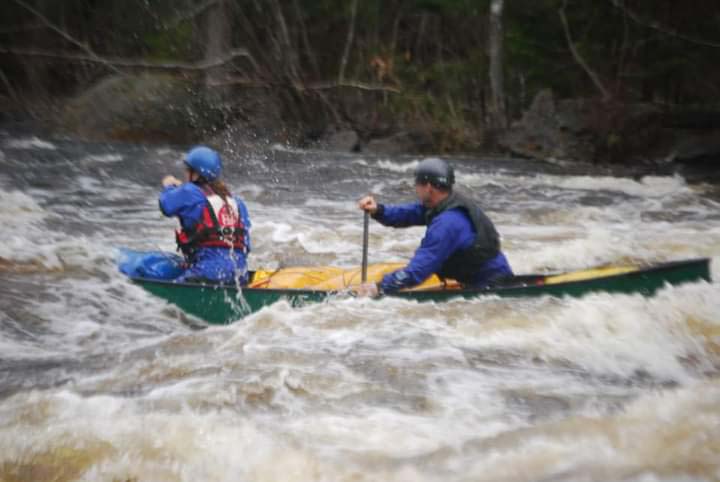
It’s nice to be able to unzip and strip it down to the waist during flatwater sections or during lunch to breathe a bit and air out.
I wear different underlayers depending on temperature. On a cold day, I wear a fleece onesie that my lovely bride made for me. On warmer days, or when the air is warm but the water feels arctic-like, I opt for a thin polypro layer. If it’s really cold…and raining, I will wear both!
Wetsuits
Neoprene wetsuits allow water against the skin, then trap it there. The neoprene acts as insulation allowing your body heat to warm the water against your skin. They come in various thicknesses…the thicker, the warmer…and the bulkier.
What people often don’t know about wetsuits is that they work best when constantly wet. The drying process, however, wicks heat away from the body. For example, if you swam around cool water for two hours, your body heat works to counteract the cool water. However, if you took a quick swim, then sat back in the boat for those two hours, your body heat has to counteract the cold water, the air, and evaporation, which also cools your body. The longer it takes for the wetsuit to dry, the more evaporative cooling you experience.

Thus, I consider the length of time I expect to be really wet. If I think that the time frame will be short, I prefer to wear polypro and fleece, or a product like hydroskin. These layers don’t provide a lot of insulation, but they dry quickly.
Polypro / Fleece / Hydroskin
These synthetic fabrics allow more water exchange than neoprene while swimming, but dry relatively quickly and provide warmth even when wet. On cool evenings playboating in my kayak, I will often wear a single polypro layer just to take the chill off.
Outer Shells
Splash Gear
Splash tops and splash pants provide a water resistant barrier to protect you from…well, splashes. Often they can be an effective and affordable way to deflect a large portion of water away from your inner layers. They do not have gaskets, however, so on swims that water pours right in!
Drytops
I love dry tops for kayaking, but they can work well for canoeing as well. They cost significantly less than a full drysuit, so a drytop combined with a pair of splash pants can shed almost as much water as a full drysuit for a fraction of the price.
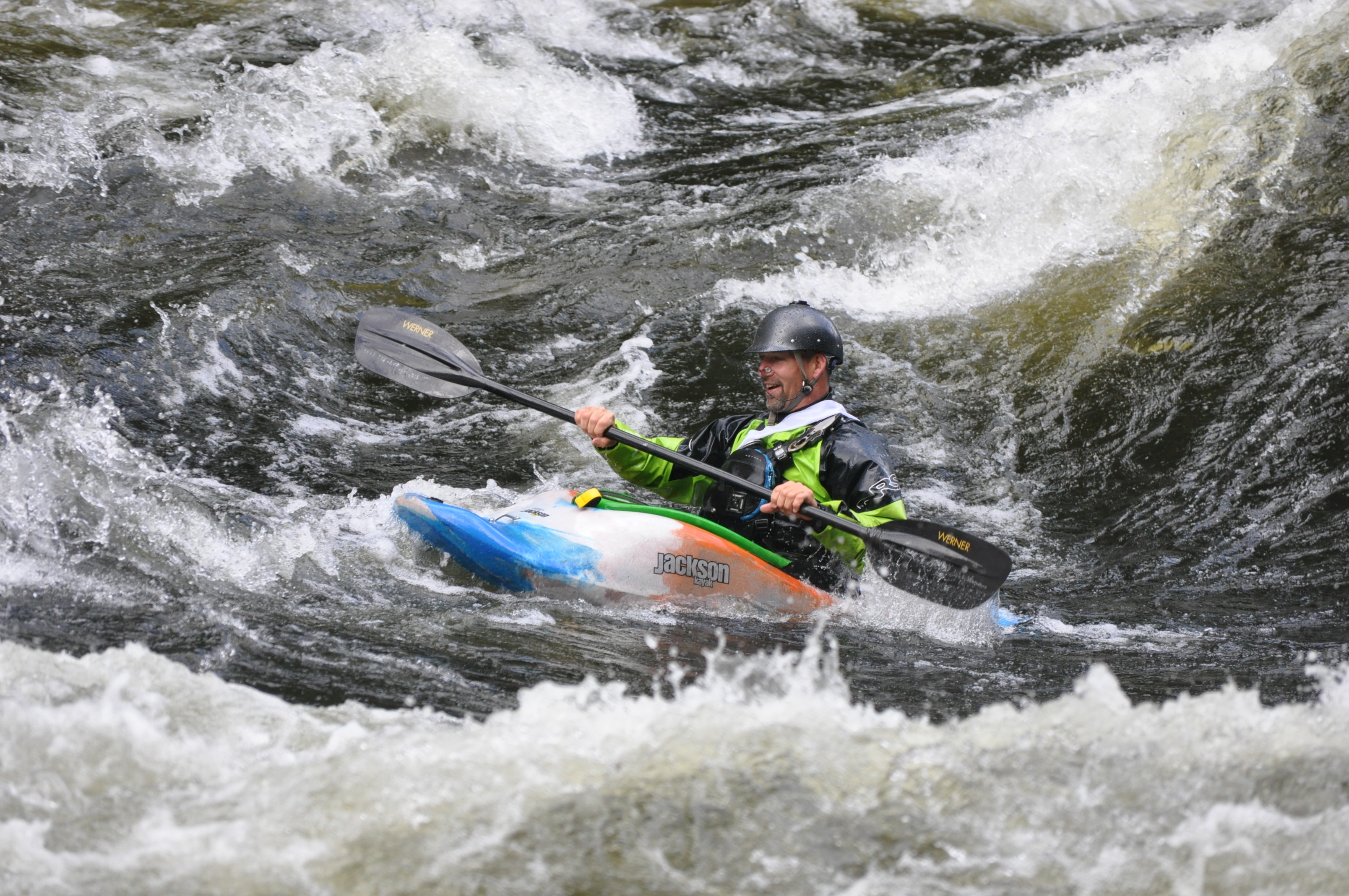
If you paddle water where you will most likely stay in the boat, this option provides great value.
On the Feet
For the Rocks
Feet need protection from the cold and sharp objects! I have seen paddlers cut their feet on rocks, mussel shells, glass, and fishhooks. Moreover, if you find yourself in a position where you need to make a quick rescue over some sharp rocks, you need to have your feet protected.
For the Cold
In cold water, you will want a neoprene bootie that insulates your feet from the cold water. They take forever to dry, though, so here’s a bonus tip: in the morning when it’s time to put them on, heat up some water (not too hot to burn yourself!!), pour the water into the booties, then put them on!
For Traction!
You will also want footwear with a grippy sole. Rocks tend to be wet and slippery around water (go figure). While scouting the first rapid on a river once, I slipped off the rock and swam the first 10 yards of a rapid before even hitting it in a boat! So especially if you will be doing scouting or portaging, make sure you have good soles. And souls.
So, if you are paddling in warm temperatures, get a good river shoe. If you are paddling in cold water, invest in a good pair of booties. If you are like me and do both, get both!
On Your Head
If you plan on paddling whitewater, invest in a decent helmet. We are learning more and more about the seriousness of brain injuries these days, so don’t put your noggin at risk! Make sure that it fits correctly (it shouldn’t move around on your head, but it shouldn’t be so tight that it gives you a headache, either!) I like my chinstrap so that I can fit two fingers between it and my chin/neck area. Tighter than that causes irritation, looser than that causes loss of helmet in whitewater swims!
If you are paddling flatwater, you might want a baseball cap or wide-brimmed hat. They can help keep sun and rain out of your eyes or dripping down your neck. If you have raised children like me, hats can take over the job your hair used to do protecting your scalp from the sun.
For the cold, wool or fleece hats can help preserve some of that body heat. While science has since debunked the myth that people lose a disproportionate above the neck, wearing a hat can still help keep you warm.
Hands
You may want to consider wearing gloves. If you haven’t been paddling in a while and plan on a long trip, gloves may protect your hands from blisters. In addition, on cold rainy days, I have donned my gloves to keep my hands from the cold rawness of early spring weather.
So there you go! Layer up those synthetic fabrics and get out there!
Remember, there’s no such thing as bad weather, just bad clothes!